
The Nordic Capitals: Five Different Moods
The Nordic capitals are often spoken about as one group, but they should not be planned that way.
Oslo, Copenhagen, Stockholm, Helsinki, and Reykjavik each bring a very different mood to a journey. For travel advisors, this matters. The right city is not only about geography or flight connections. It is about the feeling the client wants from the trip.
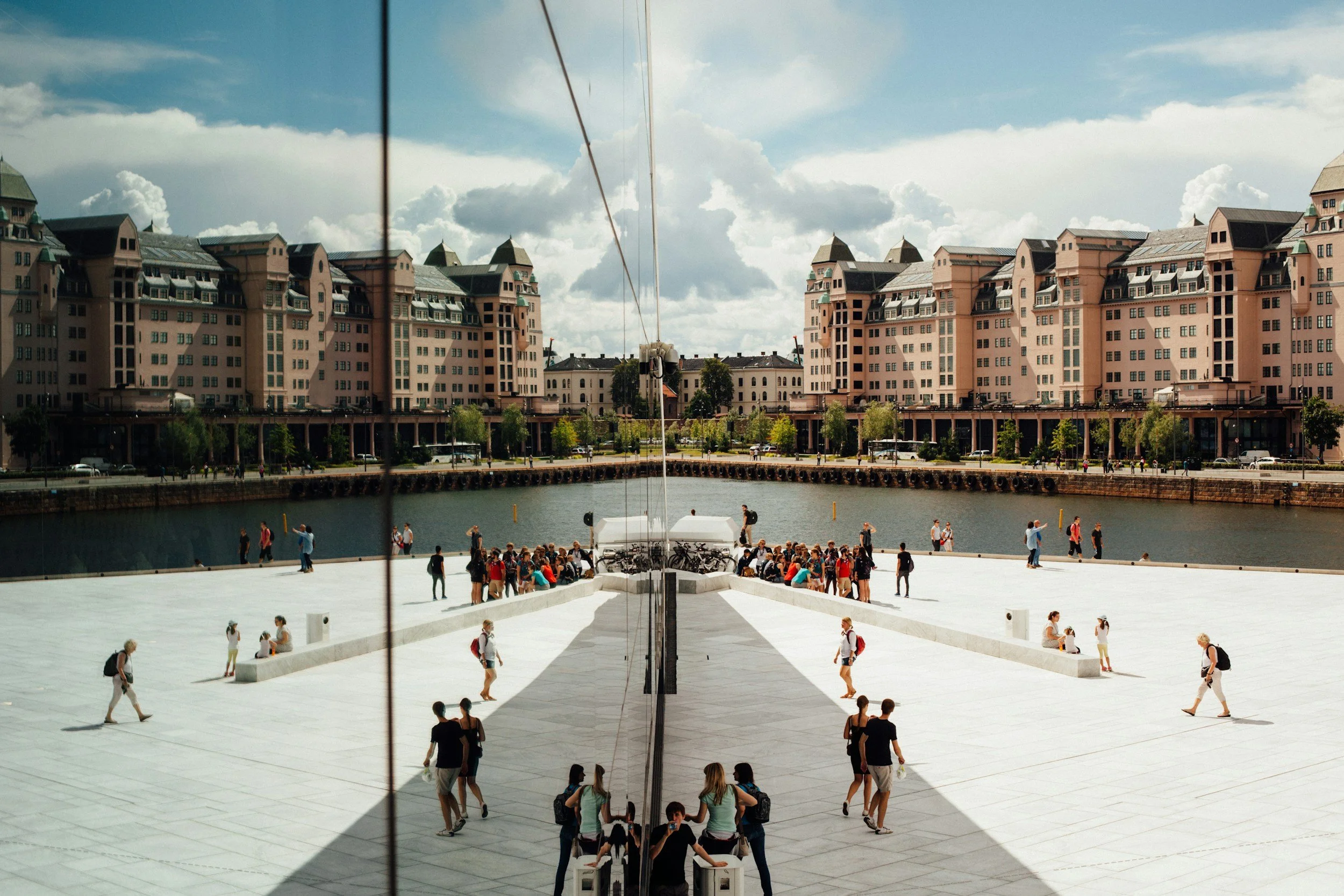
Oslo is one of the easiest capitals to connect with nature. It has fjord views, modern architecture, strong museums, a growing food scene, and a calm urban rhythm. It works especially well as a starting point for clients continuing toward the fjords, the west coast, or a broader Norway itinerary.
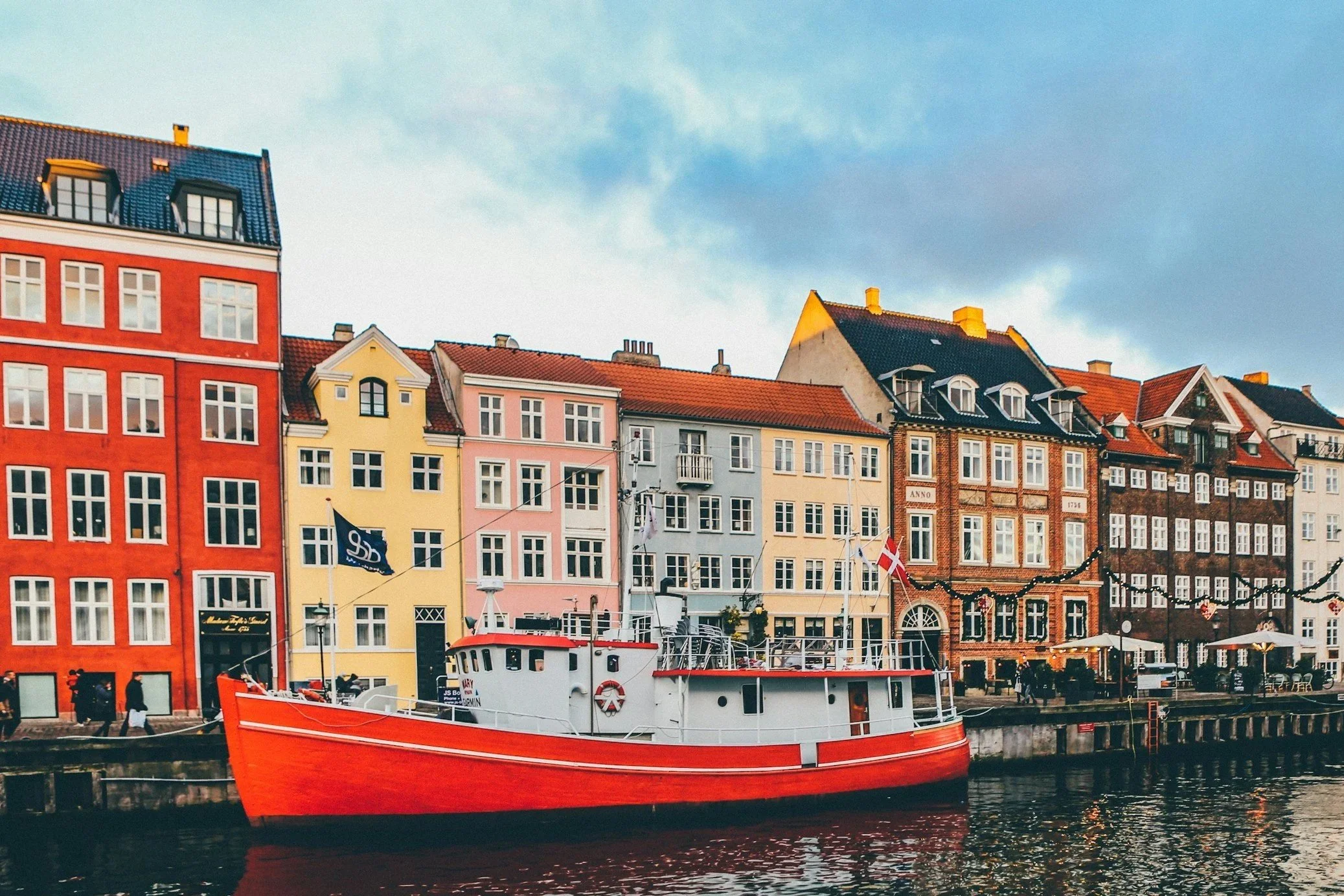
Copenhagen feels more polished and lifestyle-driven. It is design, restaurants, cycling culture, boutique hotels, waterfront neighborhoods, and a relaxed kind of elegance. For clients who love food, interiors, fashion, and walkable city days, Copenhagen often feels instantly right.
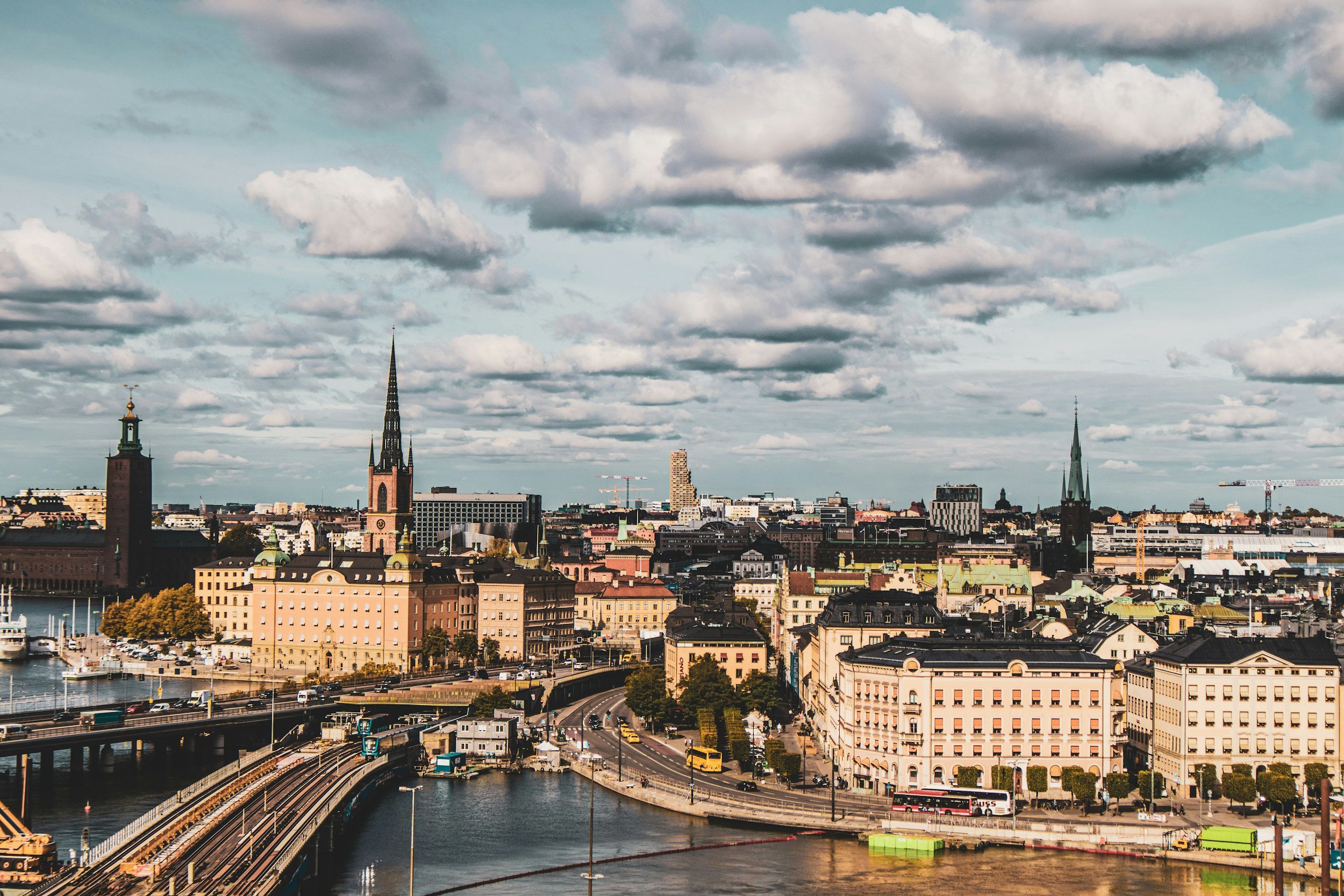
Stockholm has a different kind of grace. Built across islands and water, it combines classic architecture, stylish shopping, strong hotels, and access to the archipelago. It can feel both urban and open at the same time, which makes it a beautiful fit for clients who want culture, water, and understated sophistication.
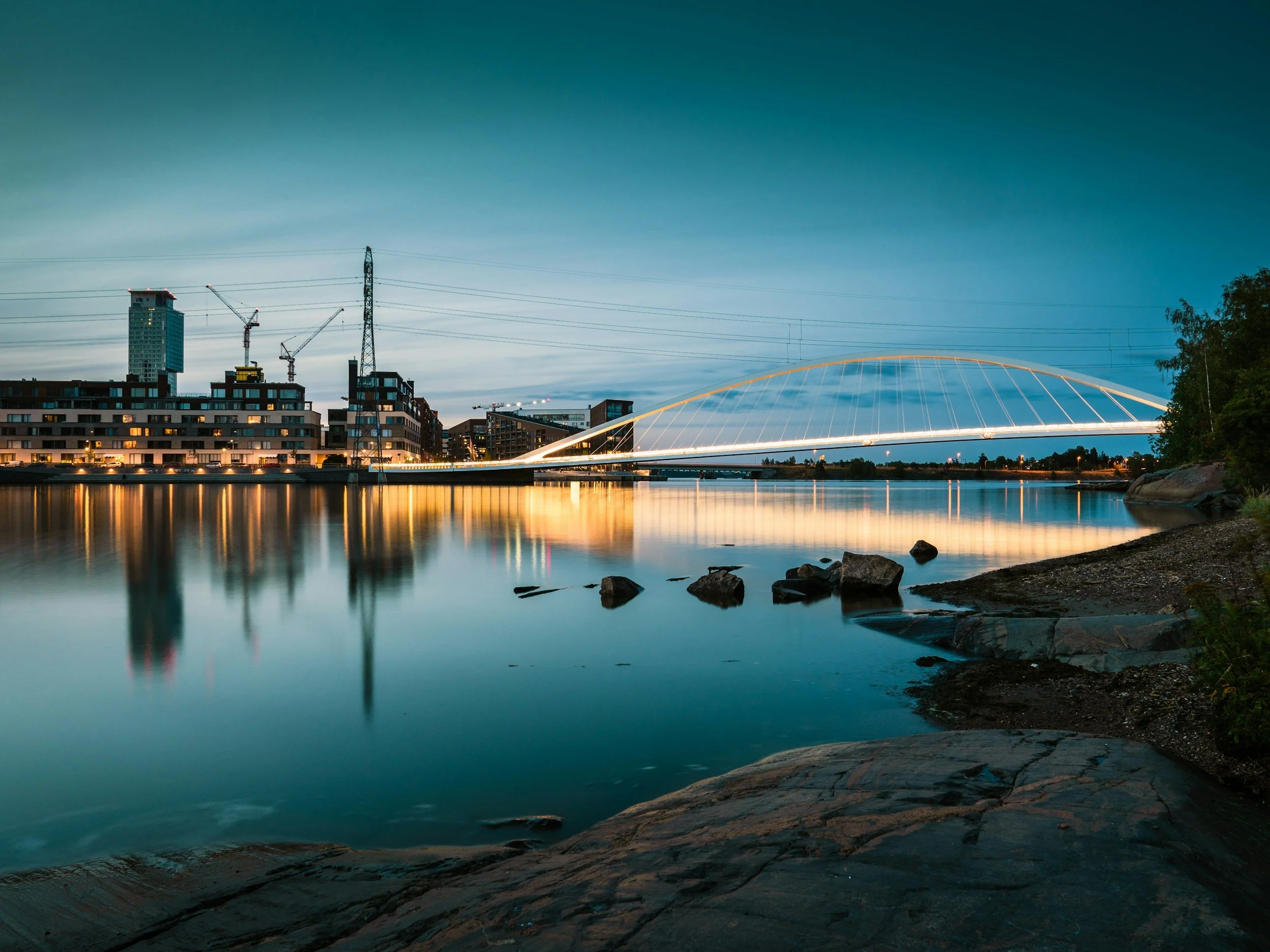
Helsinki is quieter, cooler, and often underestimated. It is excellent for design, sauna culture, architecture, local food, and a slower city experience. It can also work well as a soft entry into Finnish nature, lake regions, or winter journeys further north.
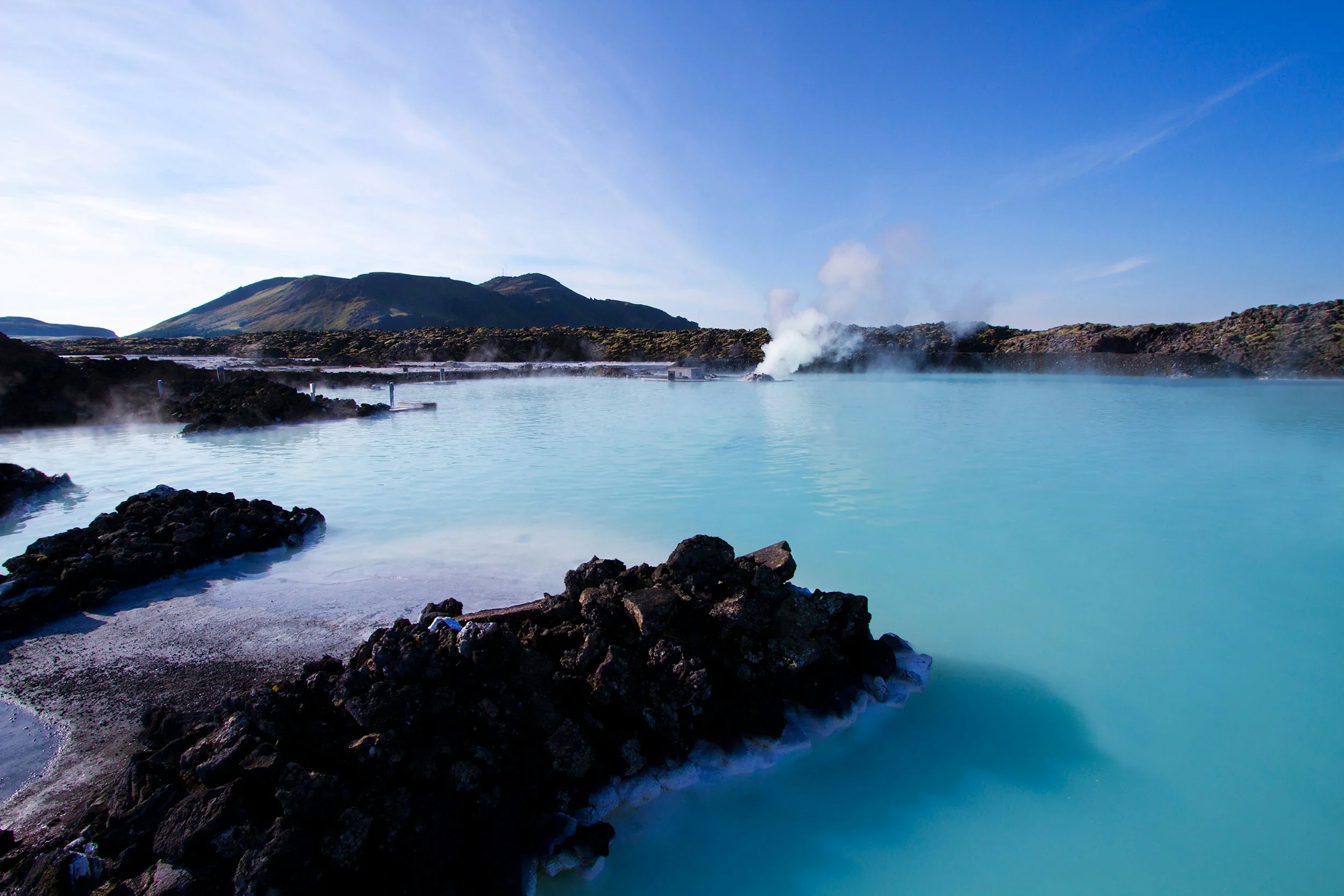
Reykjavik is the most compact of the five, but it opens the door to some of the most dramatic landscapes in the Nordics. Geothermal pools, lava fields, glaciers, waterfalls, black sand beaches, and high-impact day trips are all within reach. The city itself is small, creative, and easy to pair with Iceland’s wilder side.
The best Nordic city choice depends on the client’s style. Some will want restaurants and design. Some will want nature close by. Some will want water, wellness, architecture, or a softer pace before continuing into more remote regions.
For Nordic travel planning, the capitals are not just arrival points. Used well, they set the tone for the entire journey.