
The Northern Lights in Norway: What Travel Advisors Should Know
The Northern Lights are one of the most requested experiences in Norway, and one of the hardest to plan responsibly. Clients often arrive with a single image in mind: green light dancing over a dark sky. The advisor's job is to turn that image into a realistic itinerary, one built on timing and location rather than hope alone.
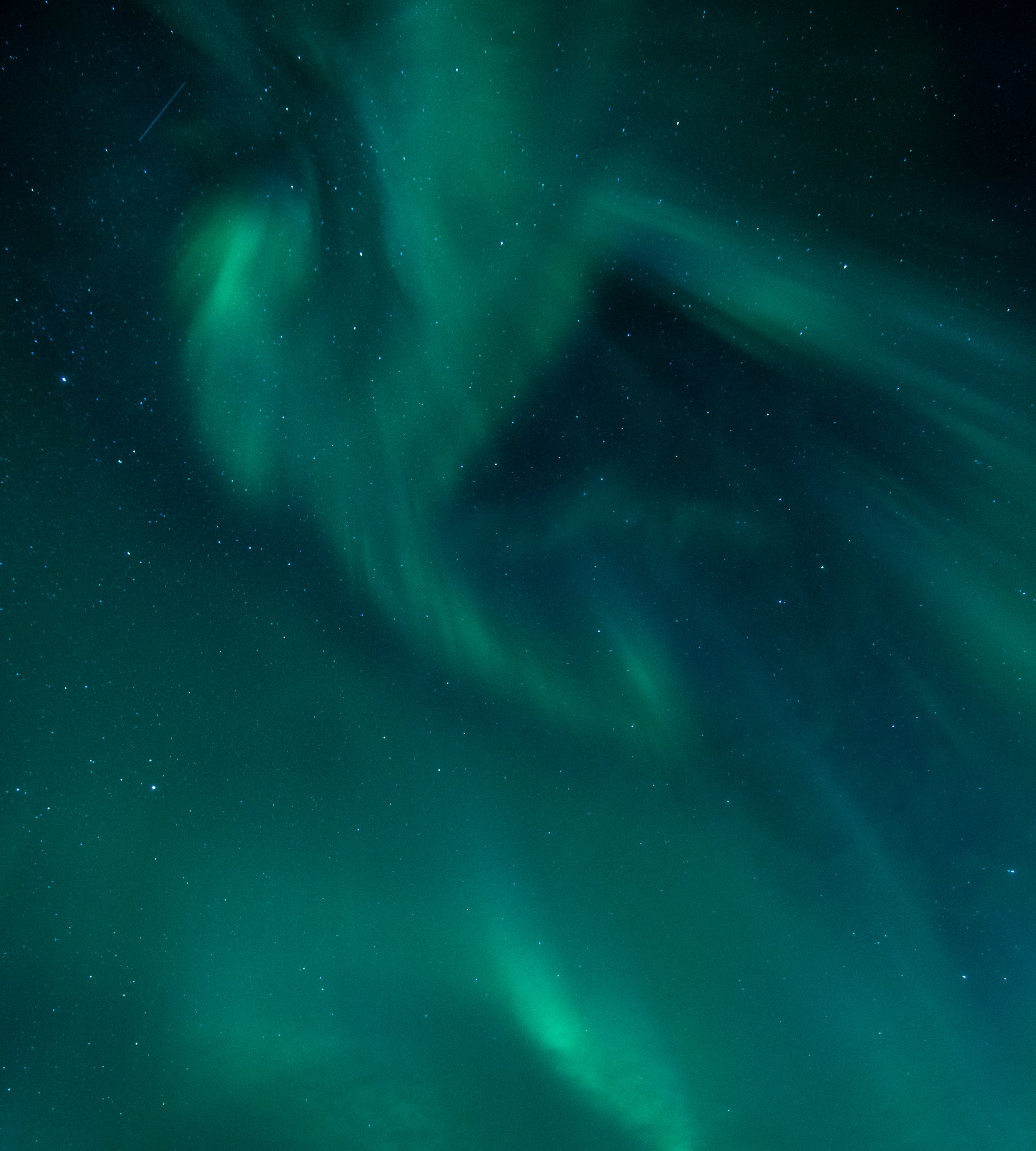
The phenomenon itself is simple in principle. Charged particles from the sun collide with the earth's upper atmosphere, roughly 100 kilometers above the ground, and the result is light. What is not simple is predicting exactly when and where it will appear on any given night.
Norway sits inside the aurora oval for much of its length. The lights are visible from Brønnøysund in the south all the way north to Kirkenes, and on Svalbard as well. Within that stretch, a few places stand out. Tromsø, well above the Arctic Circle, is often called the country's northern lights capital, and its position inside the oval combined with good access makes it a natural base. Lofoten offers the same dark, clear skies with far less light pollution, which suits clients who want scenery during the day and a real chance at the lights by night. Svalbard adds something few other places can: during the polar night, roughly mid-November to the end of January, the sun does not rise at all, which means the lights can theoretically appear at any hour, not only late in the evening.
Season matters more than most people expect. The viewing window runs from around September through April, but two different patterns are worth knowing. Deep winter, December through February, brings the longest and darkest nights, which simply means more hours of opportunity. The equinox months, September into October and March into April, tend to show higher geomagnetic activity on average, though this is a statistical tendency rather than a guarantee. In either case, the strongest hours of any given night usually fall between 11 p.m. and 2 a.m.
Clear skies help, but they are not the whole story. Cold nights are often clearer, which is why they get associated with good viewing, but the activity itself depends on solar conditions, not temperature. A full moon or nearby city lights can wash out a weak display, so remote lodges and true dark-sky settings still make a real difference.
The most useful thing an advisor can do is manage the promise. The Northern Lights cannot be guaranteed on any single night, no matter how well the trip is planned. What can be built with confidence is a stay of several nights in the right place, paired with experiences that would be worthwhile on their own even if the sky stays quiet. That is what makes a Northern Lights itinerary feel considered rather than gambled.
Hexram Travel helps advisors build Arctic itineraries around realistic timing, the right base, and a pace that gives clients more than one chance under a dark sky.